
Barriers to Accessibility
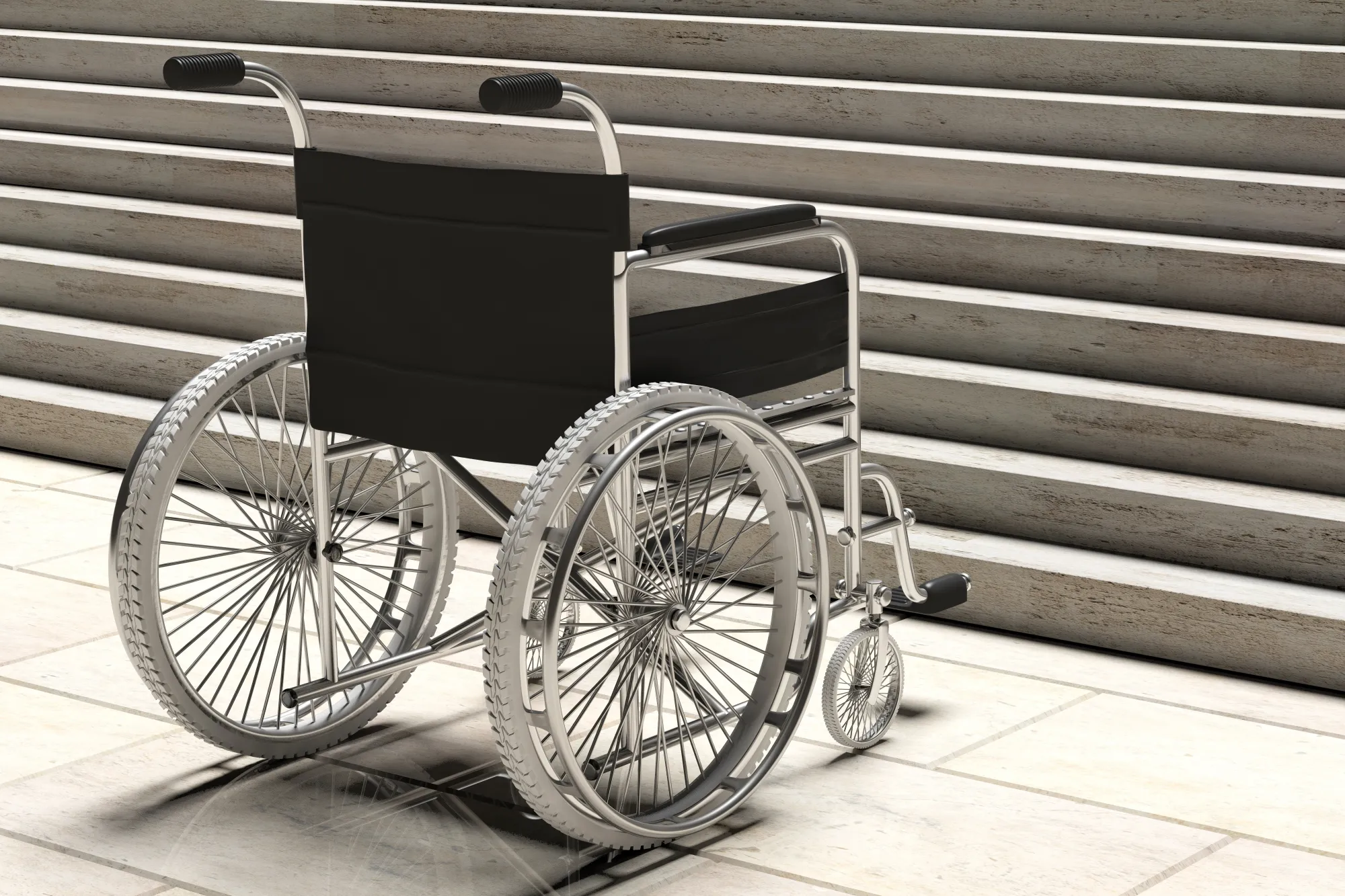


Barriers of all kinds are very common. It’s helpful to be able to identify them and talk about them. That can help you solve them. At NDMS, we talk about barriers instead of limitations. We talk about the whole person – not individual problems or challenges. This makes the conversation more inclusive.
Types of Barriers
Physical
Physical barriers are obstacles that prevent or limit people with disabilities from moving around or accessing a space. This includes:
- Structural obstacles: Lack of ramps, sidewalks, or snow clearing.
- Sensory overload: The environment is too stimulating because of loud noises, crowded spaces, bright lights, and more.
- Isolation: People with disabilities are isolated, without the means to travel or care for the land and animals.
- Lack of assistive devices: People with disabilities go without the equipment needed for participation.
Examples:
- A building with stairs but no ramps or elevators
- A hallway that is too narrow for a wheelchair to fit through
- A counter that is too high for a person in a wheelchair to reach
- Public transcription that is not equipped for people with mobility devices
Attitudinal
Attitudinal barriers are negative attitudes and stereotypes that people have about disabilities. This includes low expectations, assumptions, ignorance, and disrespect. Examples:
- Stereotyping people with disabilities as being less capable
- Assuming people with disabilities are dependent and cannot do tasks or take on responsibilities
- Discriminating against job applicants with disabilities
- Showing a lack of empathy toward people with disabilities
- Socially excluding people with disabilities
Communication
Communication barriers are obstacles that prevent people with disabilities from receiving or sharing information. These barriers can include confusing language, lack of communication, limited access to information, and failure to ask for consent. Examples:
- A lack of sign language interpreters for people who are deaf or hard of hearing
- Printed materials that are not available in Braille or large print for people with visual impairments
- Websites that are not designed to be accessible with screen readers
Systemic/organizational
Systemic/organizational barriers are policies, practices, or procedures that unfairly disadvantage people with disabilities. These barriers include lack of policies, unclear expectations, lack of representation, and restricted support. Examples:
- Inflexible work hours that make it hard for employees to get to medical appointments
- Inadequate funding for accessible services and devices
- Failure to enforce accessibility laws and regulations
- Holding company events and celebrations in locations that are not accessible to people with disabilities