
Advocacy Process Checklist



The Advocacy Process Checklist will support in working through advocacy situations.
Advocacy Process
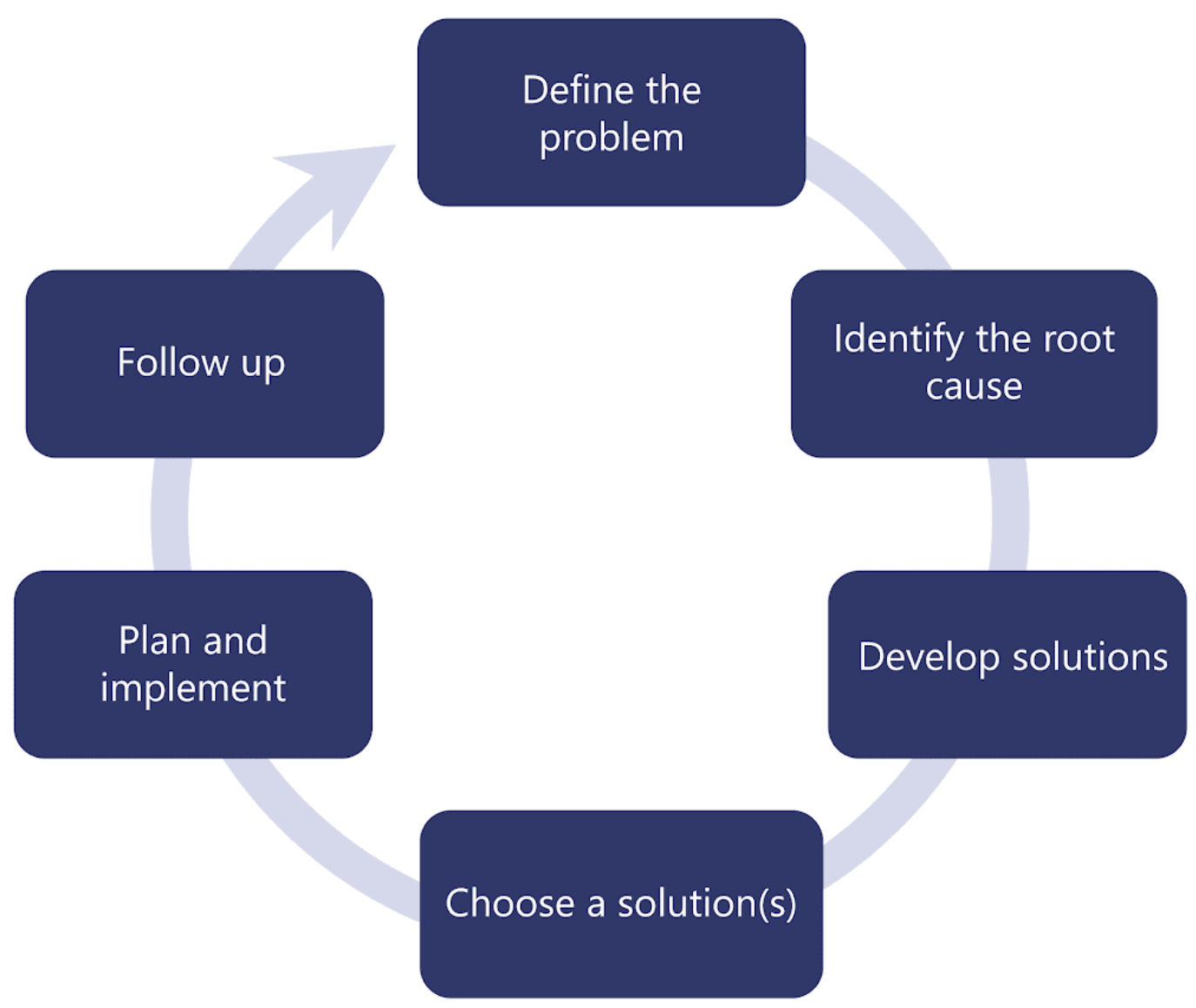
The Advocacy Process has six key steps:
- Define the Problem
- Identify the Root Cause
- Develop Solutions
- Choose a Solution(s)
- Plan and Implement
- Follow Up
1. Define the Problem
Purpose: Identify and understand the problem you are trying to solve.
- Who is involved in the problem (e.g., Nunavummiut, other organizations)?
- What is the problem about (e.g., accessible services, housing, funding)?
- Where did the problem occur (e.g., specific location, specific business)?
- When did the problem occur (i.e., time period, date, specific hours)?
- How much (e.g., all the time, some of the time, first time)?
- What is the problem statement? (e.g., Since December, Elisapee’s son, who is 10 years old and lives in Hamlet X, has not been able to go to elementary school because his wheelchair-accessible transportation service has stopped running.)
- What is the question I need to answer? (e.g., Why has the wheelchair-accessible transportation not been running since December?)
Responses and Notes
Write your responses and notes.
2. Identify the Root Cause
Purpose: Analyze why the defined problem is happening.
Use the 5-Whys Technique – i.e., ask why and respond 5 times, getting deeper past symptoms to determine the root cause:
- Why is this problem happening?
- What could the key elements of the problem be?
- What is the underlying reason or source of the problem?
Responses and Notes
Write your responses and notes.
3. Develop Solutions
Purpose: Determine all the possible solutions to the problem and address the root cause.
- What are both short-term and long-term solutions?
- Are there solutions that have worked in other places that can be used here?
- What have I done in the past for similar problems and root causes that I can use here?
- Can I seek input from others, especially those closest to the problem and with the most expertise?
- Is there a simpler version of this problem and root cause that is easier for me to solve? How would I solve it?
- If I don’t restrict my thinking and anything is possible, what solutions could work?
- Are all possible solutions (even those that I’m not sure will work) documented so I can refer to them in our NDMS collaboration meetings?
- Are there any solutions I think can work but I’m avoiding them due to complexity, time involved, etc.?
Responses and Notes
Write your responses and notes.
4. Choose a Solution(s)
Purpose: Select the best solution(s) based on defined criteria.
- What are the advantages and disadvantages of each possible solution?
- Which solution(s) will support the individual in the short and long term?
- How feasible will the solution be to plan and implement?
- Is the solution realistic for me to plan and implement?
- Is it possible for me to implement this solution successfully?
- Are there other organizations involved?
- Could the other organizations make the solution difficult to work on?
- How much of an impact will the solution have on the problem and root cause?
- Will the solution fix the problem and root cause once and for all?
- Will the solution have a positive effect on the individual?
- How big a positive effect will it have?
Responses and Notes
Write your responses and notes.
Plan and Implement
Purpose: Create a plan to execute the solution and then carry out the plan.
- What do I want to achieve with my solution? What are the desired outcomes?
- What actions do I need to take? When do I need to take them?
- Who needs to be involved in the solution besides me? How are they involved?
- Are there key dependencies that I must consider?
- What resources do I need (time, funding, other organizations, etc.)?
Responses and Notes
Write your responses and notes.
6. Follow Up
Purpose: Check on the solution after it has been implemented to determine if it has been successful.
- Can I block time on my calendar to follow up?
- Is my solution working?
- If it’s not working, why not?
- Which Advocacy Process component(s) do I need to review and adjust?
- Are all my administrative tasks up to date and accurate (e.g., case notes, which are mandatory for NDMS liability, file closures)?