
Job Seeker Resource: Prepare for a Job Interview
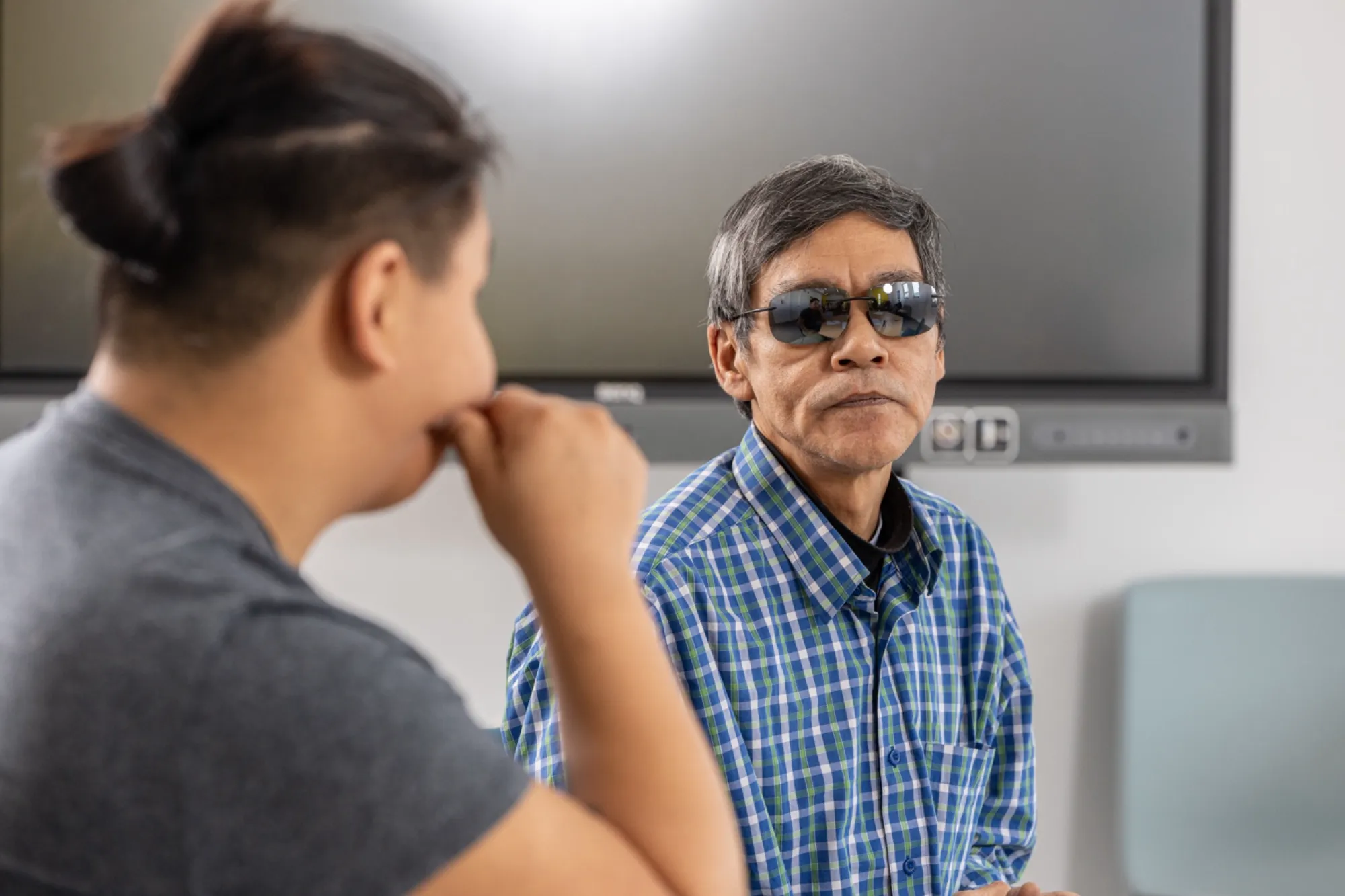


You got a call from an employer inviting you for an interview. Now it’s time to get ready! This is your chance to show your skills and prove you are the best person for the job. Being well prepared will help you feel confident and ready.
Types of Job Interviews
There are different types of job interviews. Understanding them will help you know what to expect:
- In person interview – You go to the employer’s office. Plan how to get there, dress well, and bring important documents.
- Online/video interview – This takes place in Zoom, Teams, or Google Meet. Ensure that your internet works, check your camera and microphone, and find a quiet place.
- Phone interview – This is a short call to see if you are a good fit before a longer interview. Speak clearly and have your notes ready.
These are the common types of interviews. No matter what kind of interview you have, it’s important that the format works for you. The more comfortable you are, the easier it will be to show how great you are!
Your Preparation Toolkit
To ensure a successful interview, focus on the following key areas.
1. Know the Details
- Confirm the date, time, and location (or meeting link for online interviews).
- Research the company and role to understand their mission, values, and expectations.
- Learn about the interviewers by checking LinkedIn or the company website.
- Check if there are any physical characteristics that may present obstacles. If you are not sure, reach out to them either through phone, email or internet.
2. Plan your Plan Your Transportation (for In-Person Interviews)
- Know how you will get there and allow extra travel time.
- Find out about parking options if driving.
- Arrange accommodations if needed – for example, accessible entrances.
3. What to Bring
- Copies of your resume (even if sent digitally).
- Pen and notebook to take notes.
- List of references in case they request them.
- Portfolio or work samples if applicable.
- Water bottle and small essentials – for example, hand sanitizer and tissues.
4. What to Wear
- Research the company’s dress code (formal, business casual, or casual).
- Choose clean, professional, and well-fitted attire.
- Avoid distracting patterns or overly casual clothing.
- Check the weather to make sure you are comfortable during your travel to the location and once you are indoors for the interview.
5. Prepare Mentally and Emotionally
- Recognize your feelings. You may be nervous. Don’t worry! It’s very common.
- Use techniques like taking deep breaths and visualizing a successful interview.
- Be prepared. Read the job description several times.
- Practice common interview questions or find out answers on questions that the interviewer might ask.
- Always remember that you can ask for support.
- Use the STAR method (Situation, Task, Action, Result) to structure your answers.
- Do mock interviews with a friend or mentor. You can also practice it in your mind (or out loud if you like) until it feels natural to you.
6. Check Technology (This Is Applicable for Video Interviews)
- Test your internet connection, camera, and microphone.
- Ensure you are in a well-lit and quiet interview space.
- Familiarize yourself with the video platform (mute, screen sharing, chat, etc.).
- Use a professional background or blur your surroundings, if necessary.
7. Request Accommodations (If Needed)
- Request the accommodation you want as soon as you get the opportunity. Best practice when requesting is to make a list so you don’t forget anything.
- Employers have a duty to accommodate; don’t hesitate to ask.
- If one of your accommodation requests is to bring your case manager along with you, check that your case manager is available for the date and time of the interview.
- Remember that the right accommodations can help you be successful at your interview. Accommodations can make you feel empowered.
Final Steps Before the Interview!
Here is your final checklist before the interview to make sure you have covered everything:
- Review your resume and job description.
- Prepare answers to common interview questions.
- Research the company and role.
- Plan your outfit and what to bring.
- Confirm the interview time and location (or online meeting link).
- Test your technology (for online/video interviews).
- Practice your interview until it feels natural to you.
- Take deep breaths and stay confident!
Do not underestimate the power of preparation. Preparation is key to a successful job interview. Knowing the interview type, planning ahead and equipping yourself with the right tools, you can enter your interview with confidence.
Remember, this is your opportunity to shine and demonstrate why you are the best candidate for the job. Good luck!